Introduction
This article discuss the real-world applications of Linux and Unix because these operating systems power much of the modern digital world even though many people use them every day without realizing it
Linux and Unix are both extremely important operating systems and they are widely used in servers cloud computing networking cybersecurity scientific computing embedded systems and enterprise infrastructure but their roles in the modern world are slightly different because Linux focuses on flexibility scalability and open-source development while Unix is usually associated with long-term stability enterprise reliability and mission-critical systems
we are going to explore where Linux is used where Unix is used what their limitations are and why Linux is rapidly dominating the future of computing while Unix still remains important in many enterprise environments
Applications of Linux
1 Servers and Cloud Computing
2 Development and Programming
3 Desktop and Personal Use
4 Cybersecurity and Ethical Hacking
5 Embedded Systems and IoT
6 Supercomputers and Scientific Computing
7 Education and Research
1 Servers and Cloud Computing
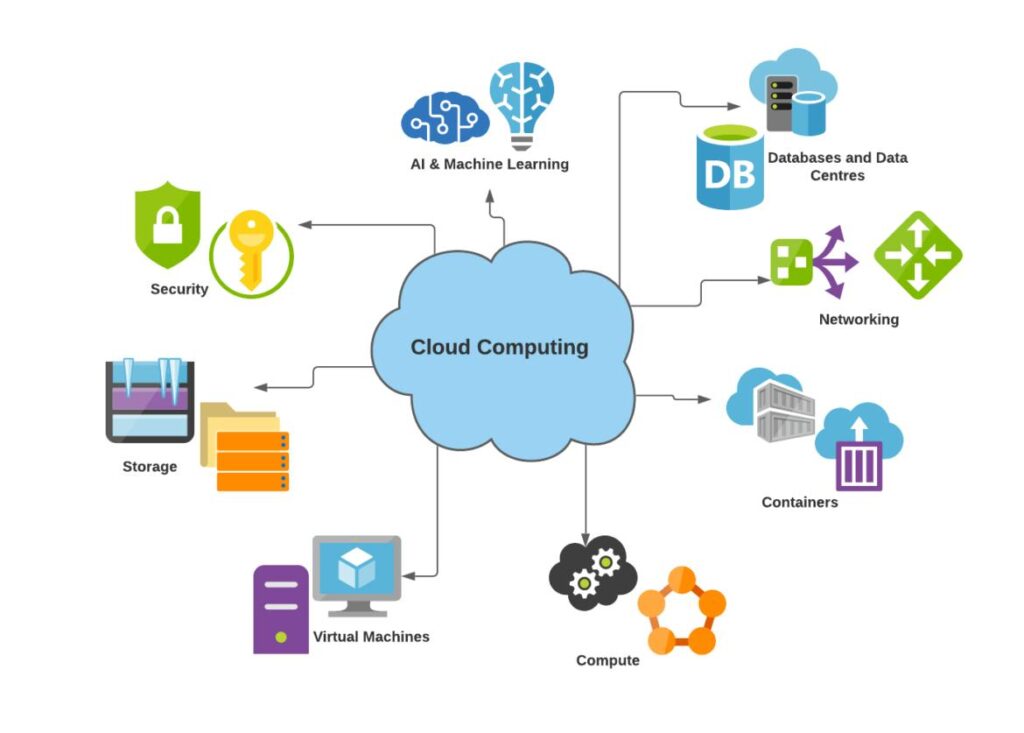
Linux powers most modern web servers and cloud platforms across the world and nearly every major cloud provider relies heavily on Linux infrastructure because Linux is scalable flexible stable and inexpensive compared to many traditional enterprise operating systems
Platforms such as AWS Google Cloud and Microsoft Azure all use Linux extensively in their cloud environments and modern cloud-native systems are deeply connected to Linux technologies
Linux is also heavily used for virtualization containerization Docker Kubernetes and DevOps automation pipelines because Linux provides powerful networking tools process management and system-level control that large-scale cloud infrastructure requires
Today a huge percentage of internet websites applications APIs streaming platforms and online services run on Linux servers because Linux is efficient reliable and highly customizable
2 Development and Programming
Linux is one of the most popular operating systems for programmers software engineers and backend developers because it supports almost every major programming language and development environment used in modern computing
Developers use Linux for programming in languages such as C C++ Python Java Go Rust and JavaScript and many open-source software projects are developed primarily on Linux systems
Linux is also widely used for scripting automation backend infrastructure continuous integration deployment systems and software testing because the command-line environment gives developers powerful control over the operating system
Many professional developers prefer Linux because it provides stability flexibility package management tools and easy access to development libraries and compilers

3 Desktop and Personal Use
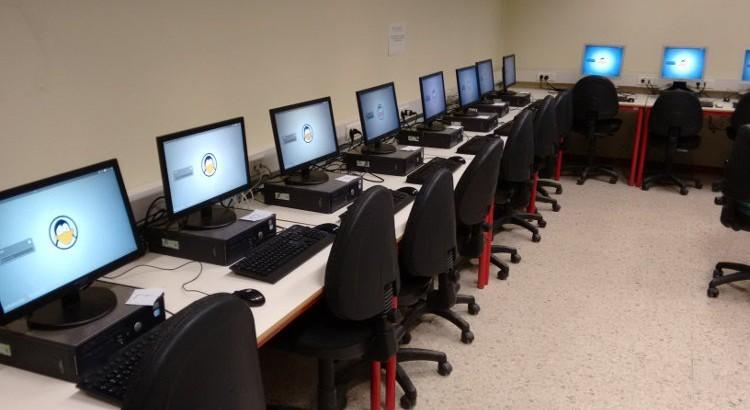
Linux is also used as a personal desktop operating system and many users choose Linux because it is lightweight secure customizable and free
Popular Linux desktop distributions include Ubuntu Linux Mint Fedora and Arch Linux and these systems provide graphical desktop environments that allow users to browse the internet edit documents watch videos write software and manage files
Linux desktops are popular among students programmers advanced users and people who want more control over their systems because Linux allows users to customize nearly every part of the operating system
Linux is also known for strong security and lower hardware requirements which allows older computers to continue running efficiently

4 Cybersecurity and Ethical Hacking
Linux is extremely important in cybersecurity and ethical hacking because many security tools were originally developed for Linux environments and Linux gives security researchers deep access to networking system processes and low-level operating system behavior
Specialized Linux distributions such as Kali Linux and Parrot OS are widely used for penetration testing vulnerability assessment digital forensics network analysis and cybersecurity research
Security professionals use Linux systems to test networks analyze malware monitor traffic detect vulnerabilities and perform security audits because Linux provides powerful command-line tools scripting environments and networking utilities
Many cybersecurity certifications and training systems are also based heavily on Linux

5 Embedded Systems and IoT
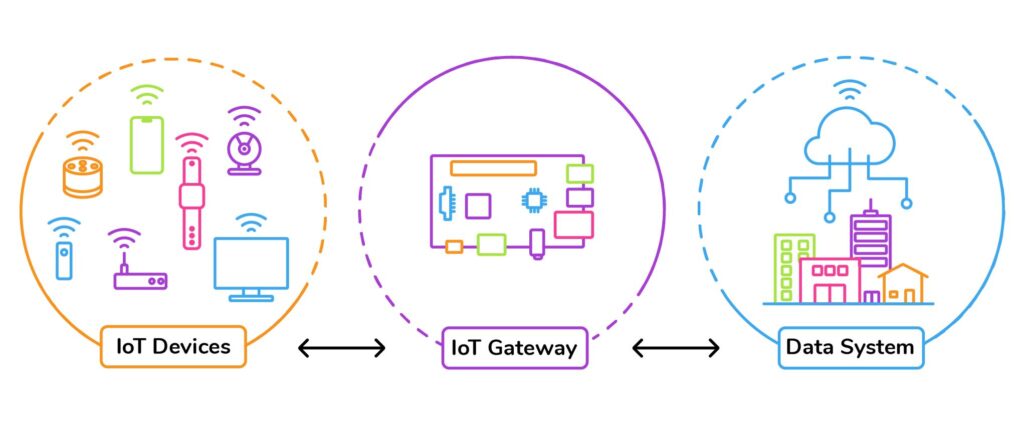
Linux runs on a massive number of embedded systems and Internet of Things devices around the world and many people interact with Linux-powered devices every day without realizing it
Examples include routers smart TVs automotive systems industrial controllers networking devices IoT hardware and smart appliances because Linux can be customized for low-power and embedded environments
Android itself is based on the Linux kernel which means billions of smartphones actually rely on Linux internally
Linux is very popular in embedded systems because it is portable lightweight stable and able to run on many different hardware architectures
6 Supercomputers and Scientific Computing
Linux powers almost all modern supercomputers because it offers excellent scalability performance flexibility and resource management for extremely large computing systems
Linux is widely used in artificial intelligence machine learning scientific simulations weather modeling physics research and big data processing because researchers can optimize Linux for massive parallel workloads
Many AI clusters and GPU computing systems also run Linux because Linux works extremely well with distributed computing environments and high-performance networking systems
The world’s most powerful supercomputers are overwhelmingly Linux-based because Linux allows organizations to customize systems for advanced scientific workloads
6

7 Education and Research
Linux is heavily used in universities research institutions and technical training environments because it allows students and researchers to study operating systems networking programming and system administration in a very open environment
Students use Linux for learning programming cybersecurity embedded systems cloud computing and operating system concepts because Linux gives direct access to system-level tools and open-source software
Researchers also use Linux because they can modify the system customize software and build experimental computing environments freely
Linux became extremely important in education because its open-source nature makes advanced computing accessible to students around the world
Applications of Unix
Unix is mainly used in enterprise environments where stability reliability security and long-term support are extremely important and many large organizations still rely on Unix systems for critical infrastructure
1 Enterprise Servers and Mainframes
2 Telecommunications Systems
3 Scientific and Research Institutions
1 Enterprise Servers and Mainframes
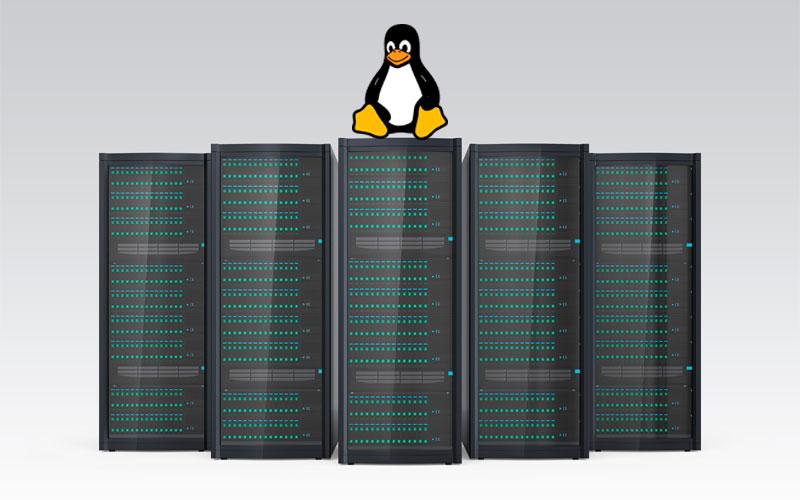
Unix systems are still heavily used in banking stock exchanges insurance systems and large financial institutions because these industries require stable mission-critical infrastructure that can operate reliably for long periods of time
Unix systems are trusted for enterprise workloads because they are known for reliability predictable behavior and strong system management capabilities
Many legacy enterprise systems continue running on Unix because replacing them would be extremely expensive and risky
6
2 Telecommunications Systems
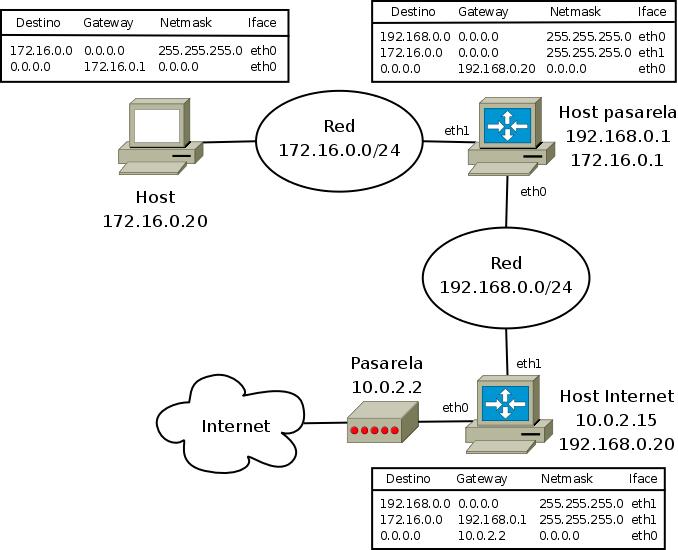
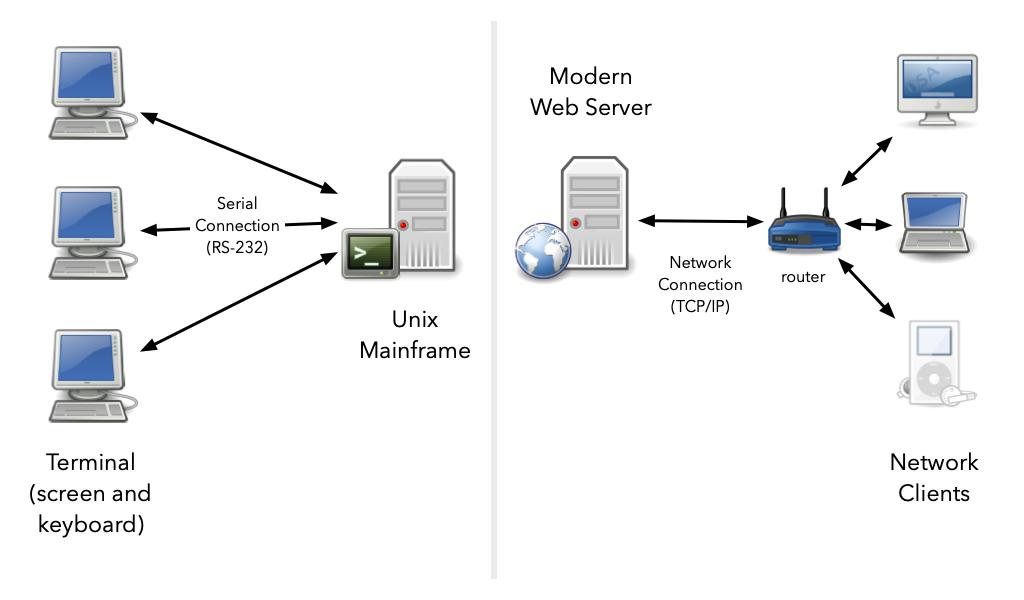
Unix is also widely used in telecommunications infrastructure including routing systems switching systems and communication backends because telecom networks require extremely stable operating environments
Unix systems are known for reliable networking capabilities and long-term uptime which makes them valuable in communication infrastructure
Many telecom backbone systems still depend on Unix environments today
6
3 Scientific and Research Institutions
Unix systems are also used in scientific research institutions where stability multitasking and predictable system behavior are important for simulations and data processing
Research environments often require systems that can run continuously for long periods while handling complex scientific workloads and Unix has historically been trusted for these environments
5
Limitations of Unix
Even though Unix is powerful it also has several limitations in modern computing environments
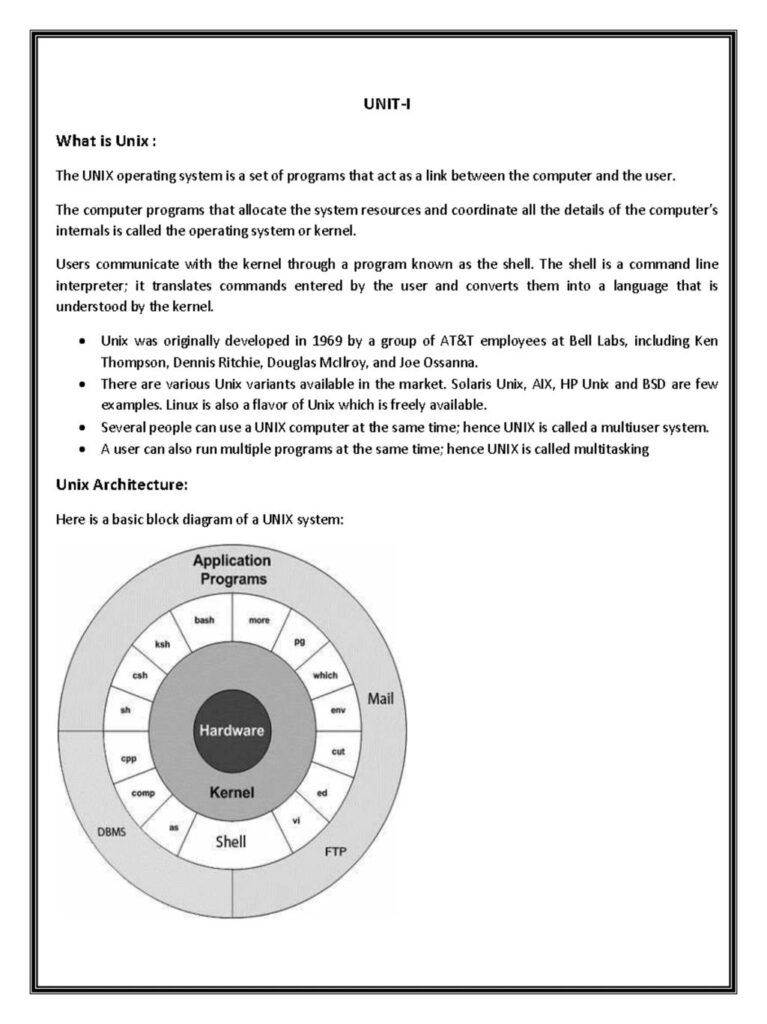
Traditional Unix systems often rely heavily on text-based interfaces which can be difficult for beginners and less intuitive compared to modern graphical operating systems
Unix systems can also be expensive because commercial licenses support contracts and enterprise hardware requirements may cost organizations large amounts of money
Different Unix variants may behave differently and this lack of uniformity can create compatibility problems between systems
Some Unix systems are also heavily tied to legacy enterprise hardware which limits flexibility and modernization
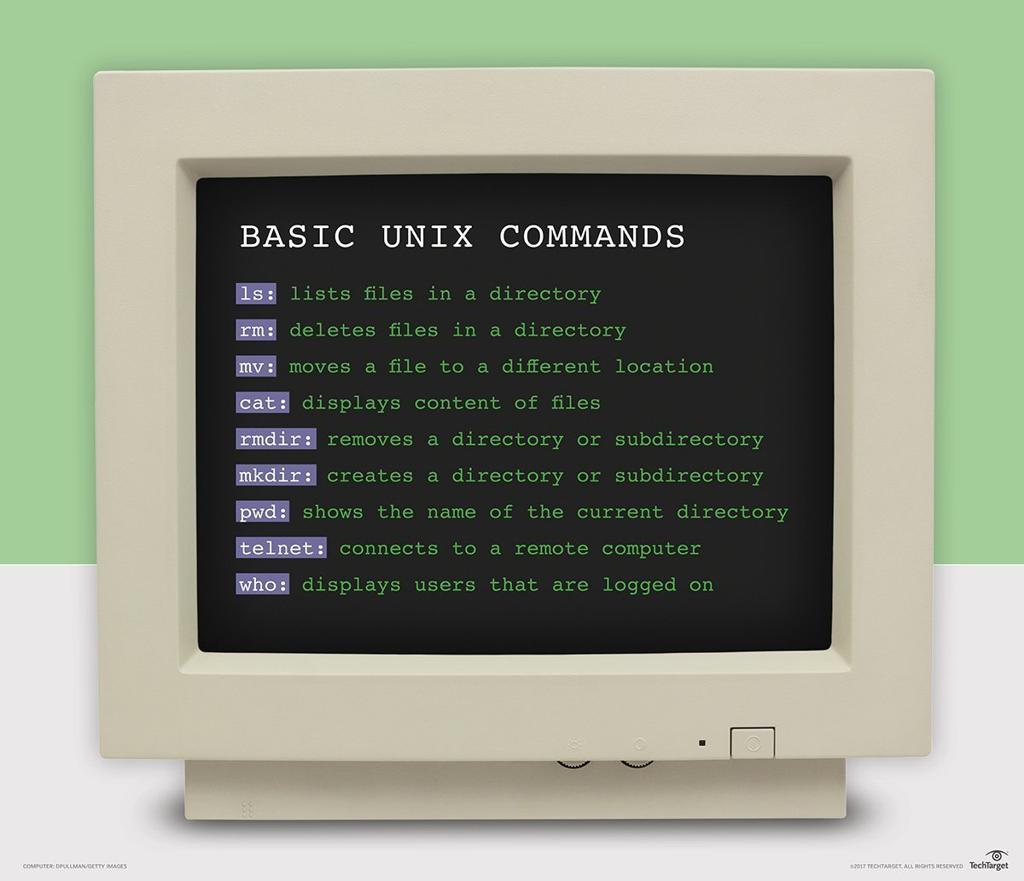
Finally Unix shell environments can be dangerous because small command-line mistakes may accidentally delete files or damage important system data
6
Limitations of Linux
Linux also has limitations even though it is extremely powerful and widely used
One limitation is that Linux has no single standard edition because behavior and software management vary across different distributions
Hardware driver support may sometimes be inconsistent especially for certain consumer hardware devices
Some Windows applications do not run natively on Linux and users may need compatibility layers such as WINE
Linux can also have a steeper learning curve for beginners because many advanced tasks still rely on command-line tools and system configuration knowledge
6
Market Trends — Unix vs Linux
Unix still powers many mission-critical enterprise systems especially in banking telecommunications and research infrastructure because organizations continue relying on long-term stable systems and legacy enterprise hardware
However Unix is slowly declining because many organizations are migrating toward Linux-based infrastructure which is cheaper more flexible and better integrated with modern cloud-native technologies
Linux growth has accelerated dramatically in cloud computing containers DevOps embedded systems AI machine learning and edge computing because Linux adapts quickly to new technologies and modern computing environments
Technologies such as Docker Kubernetes cloud-native infrastructure Android IoT platforms and AI clusters are all deeply connected to Linux systems and modern web hosting environments are overwhelmingly Linux-based
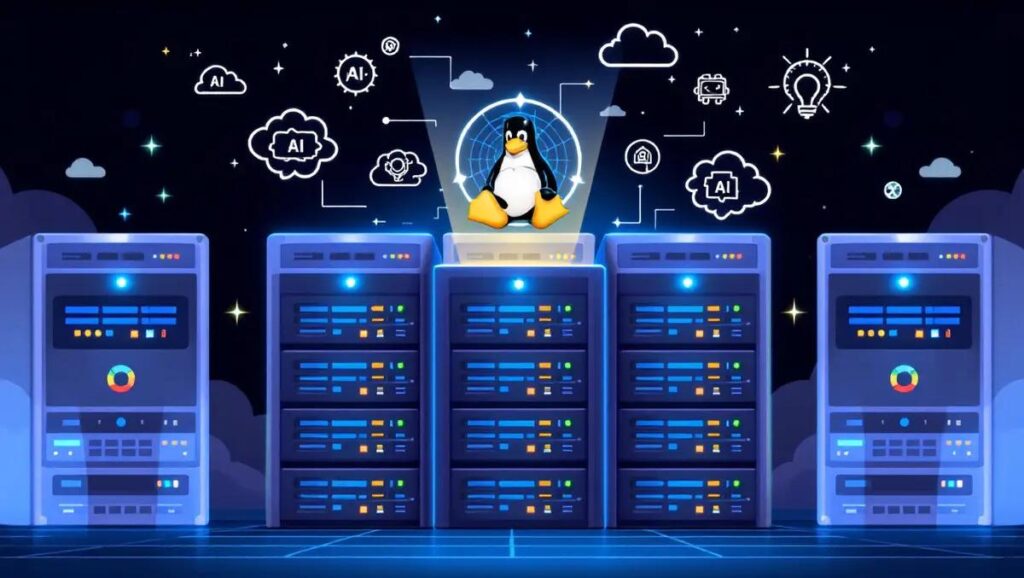
Linux will likely continue dominating future computing deployments especially in artificial intelligence cloud infrastructure automation robotics edge computing and distributed systems
5
Conclusion
Unix created many of the foundational ideas behind modern operating systems including multitasking multiuser computing modular software design command-line tools and hierarchical file systems
Linux inherited many of these ideas and expanded them through open-source development creating a flexible scalable and highly customizable operating system that now powers much of the modern digital world
Today Unix remains important in legacy enterprise systems banking telecom infrastructure and specialized environments while Linux dominates cloud computing AI embedded systems web hosting DevOps cybersecurity supercomputers and modern internet infrastructure
Understanding where Linux and Unix are used helps explain how modern computing systems operate behind the scenes because much of today’s internet cloud infrastructure and advanced computing technology depends heavily on these operating systems
Thank you for watching and I hope this tutorial helped you better understand the real-world applications of Linux and Unix and why both systems remain so important in modern computing