🚀 Introduction
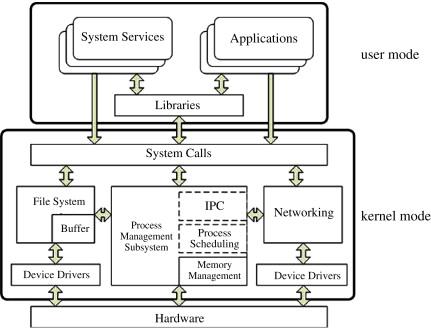
In modern computing, most people only see software.
But real systems are built from two layers:
- hardware architecture
- operating system
To truly understand how computing works, you must understand both
- Linux represents open software.
- RISC-V represents open hardware architecture.
When combined, they form something powerful:
A fully open computing stack — from CPU to applications.
🧠 Linux: More Than Just an Operating System
Linux is often described as an operating system.
But technically, it is a kernel.
⚙️ What the Linux Kernel Actually Does
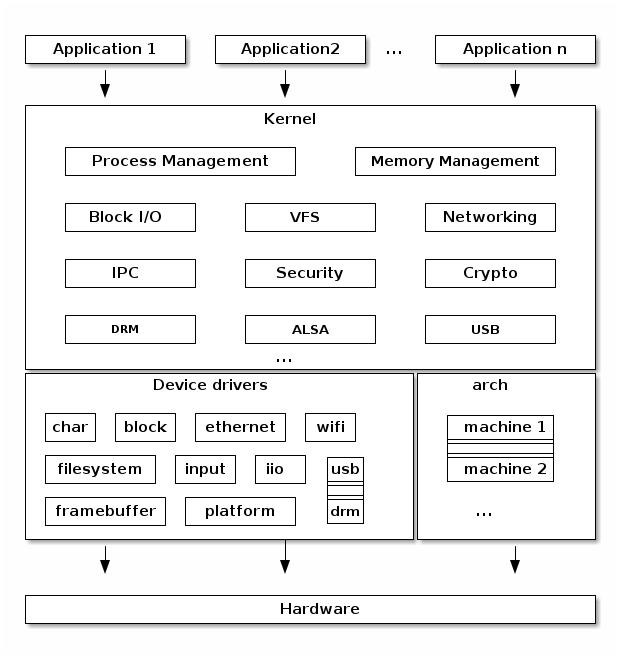
The Linux kernel is responsible for:
- process scheduling (CPU time sharing)
- memory management (virtual memory, isolation)
- device drivers (hardware communication)
- file systems
🧠 Deeper Insight
Linux does not run “on its own”.
It depends on hardware support.
⚙️ Architecture Support in Linux
Linux supports multiple CPU architectures:
- x86
- ARM
- RISC-V
Each architecture requires:
- kernel adaptations
- drivers
- boot mechanisms
👉 This is why Linux is powerful:
It is portable across hardware.
⚙️ What is RISC-V?
RISC-V is not software. It is a hardware concept.
💡 Definition
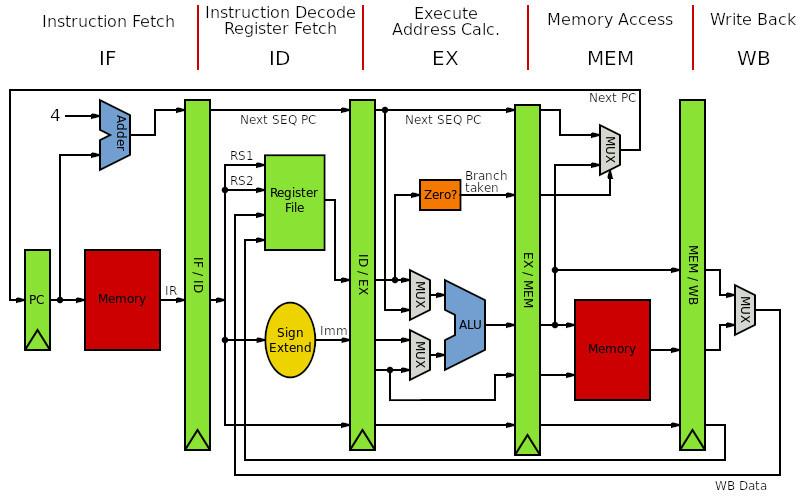
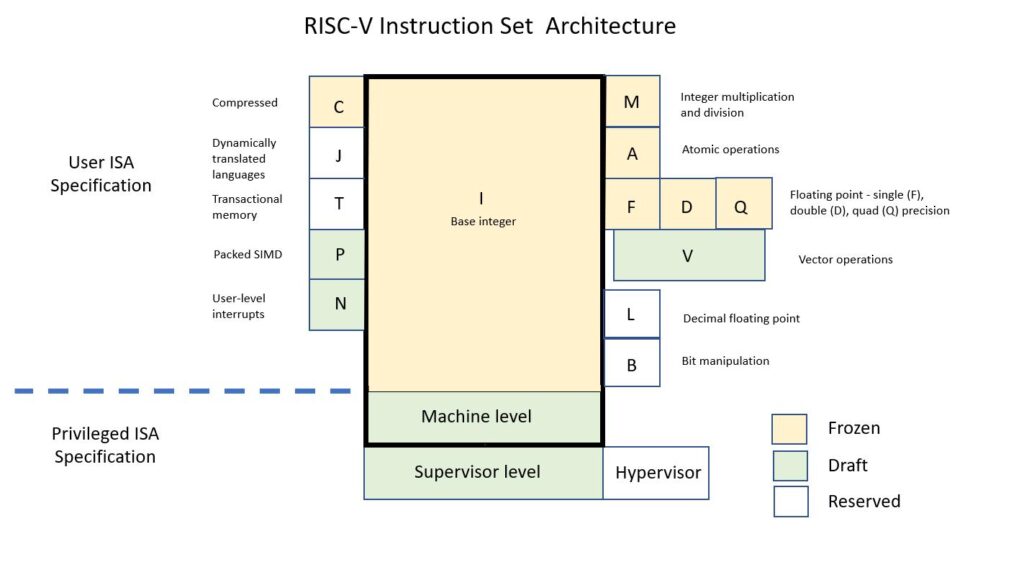
RISC-V is an Instruction Set Architecture (ISA).
🧠 What is an ISA?
An ISA defines how a CPU works.
It describes:
- what instructions the CPU can execute
- how software communicates with hardware
⚙️ RISC-V: Not a CPU, But a Design Language
RISC-V is often misunderstood.
- It is not a processor.
It is an Instruction Set Architecture (ISA).
🧠 What This Means
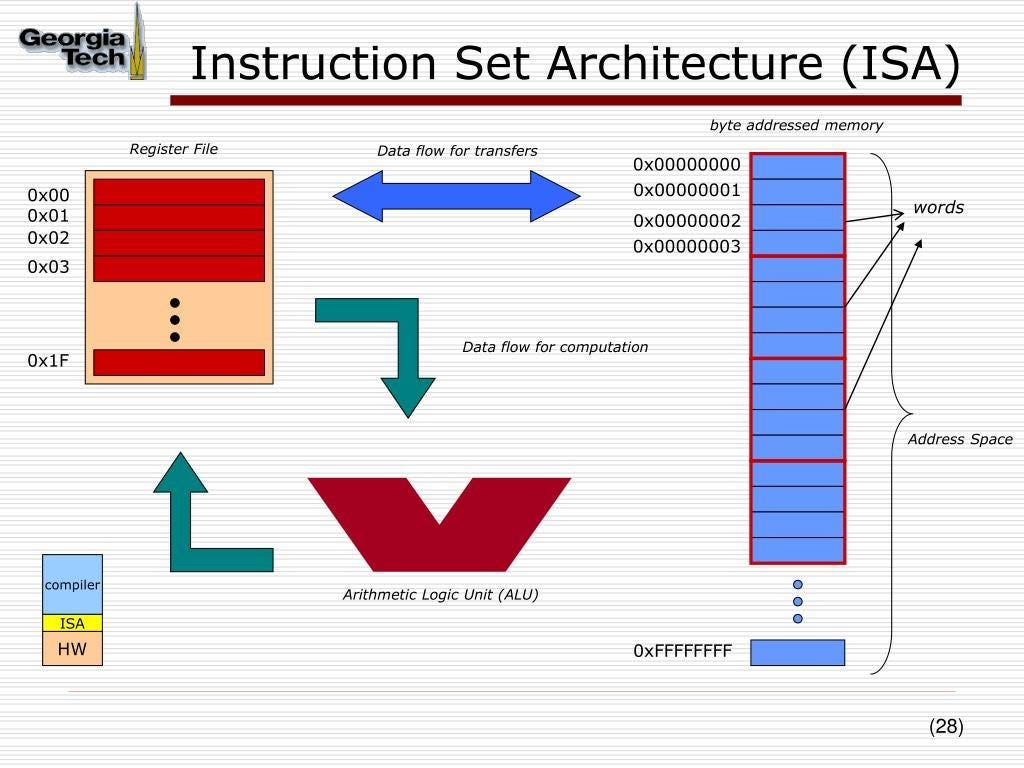
An ISA defines:
- instructions (ADD, LOAD, STORE)
- registers
- memory access model
🔬 Technical Perspective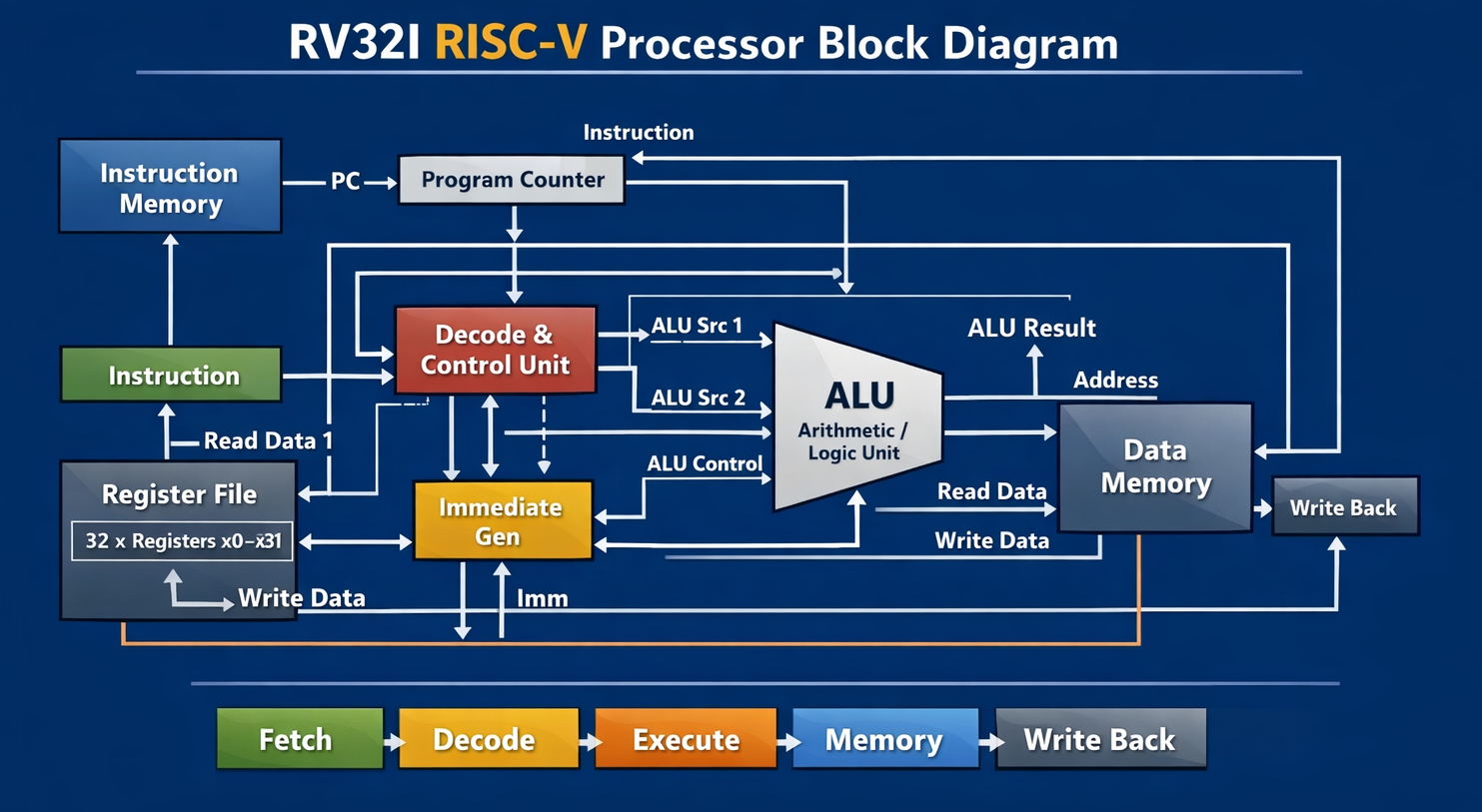
RISC-V is:
- modular (extensions like M, A, F, V)
- minimal base design (RV32I / RV64I)
- extensible
🧠 Why This Matters
Unlike x86 or ARM:
- no licensing fees
- no proprietary restrictions
👉 Anyone can:
- design CPUs
- optimize for workloads
- experiment freely
🔗 Linux on RISC-V: What Really Happens
This is where theory meets reality.
⚙️ Boot Process Differences
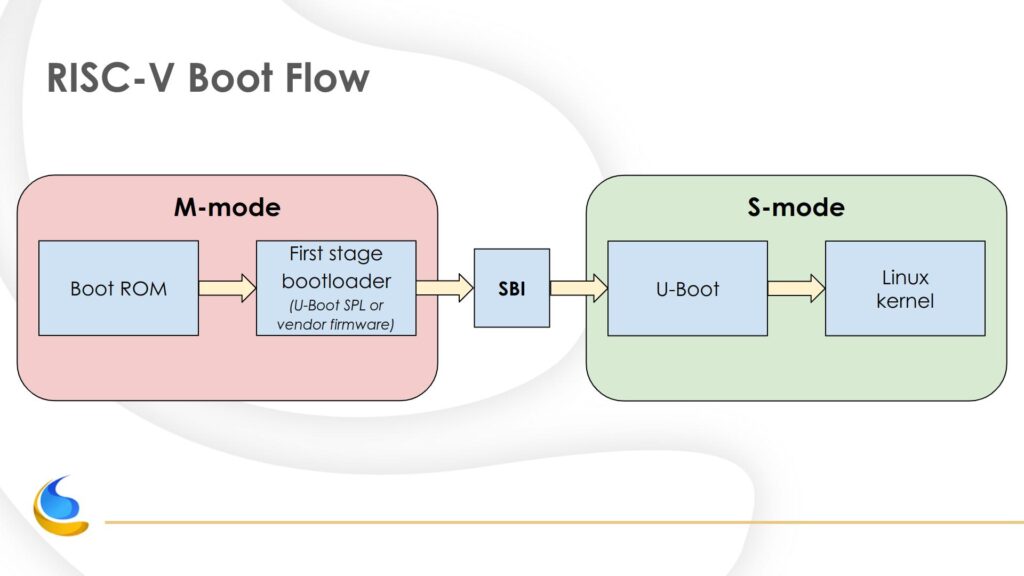
On x86 systems:
- standardized firmware (UEFI)
- easy OS installation
On RISC-V systems:
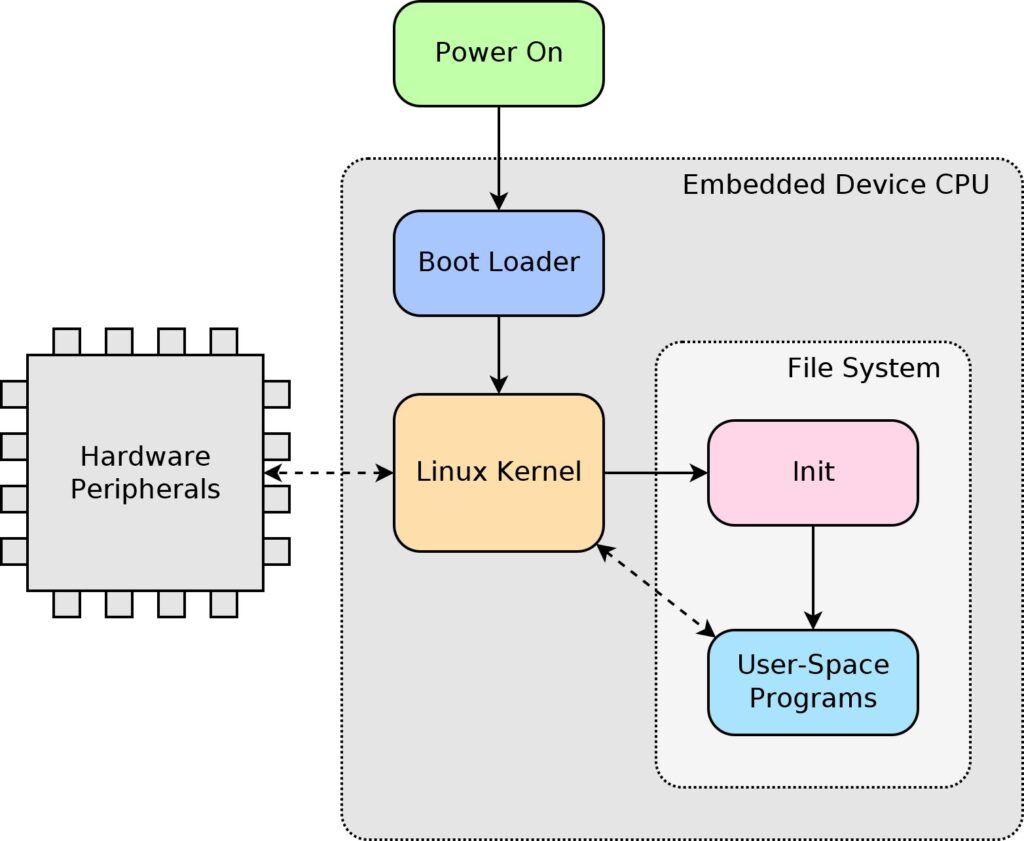
- no universal boot standard
- firmware varies by vendor
- often requires pre-flashed OS images
👉 This is a key difference:
RISC-V systems are not yet standardized.
⚙️ Kernel Adaptation
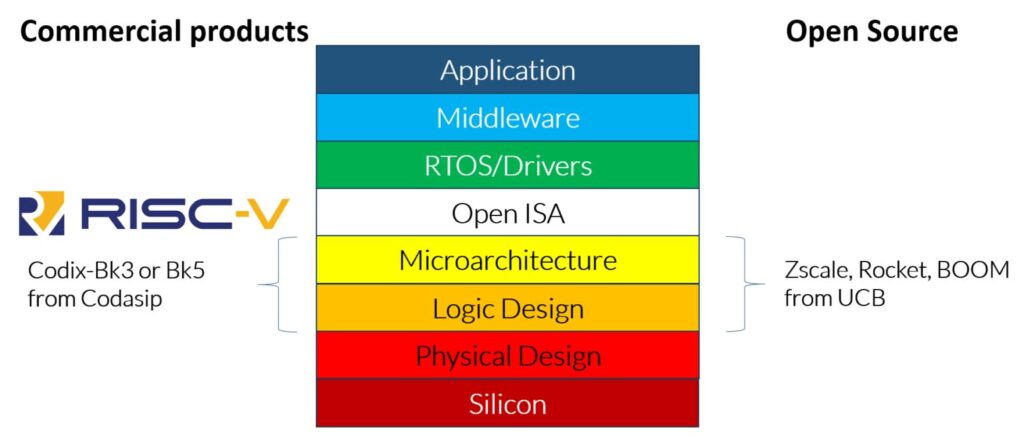
To run on RISC-V, Linux must:
- support the RISC-V instruction set
- manage interrupts differently
- handle memory mapping specific to the architecture
🧠 Real Insight
Linux is not “portable by magic”.

It requires architecture-specific engineering.
💻 Real Hardware Example
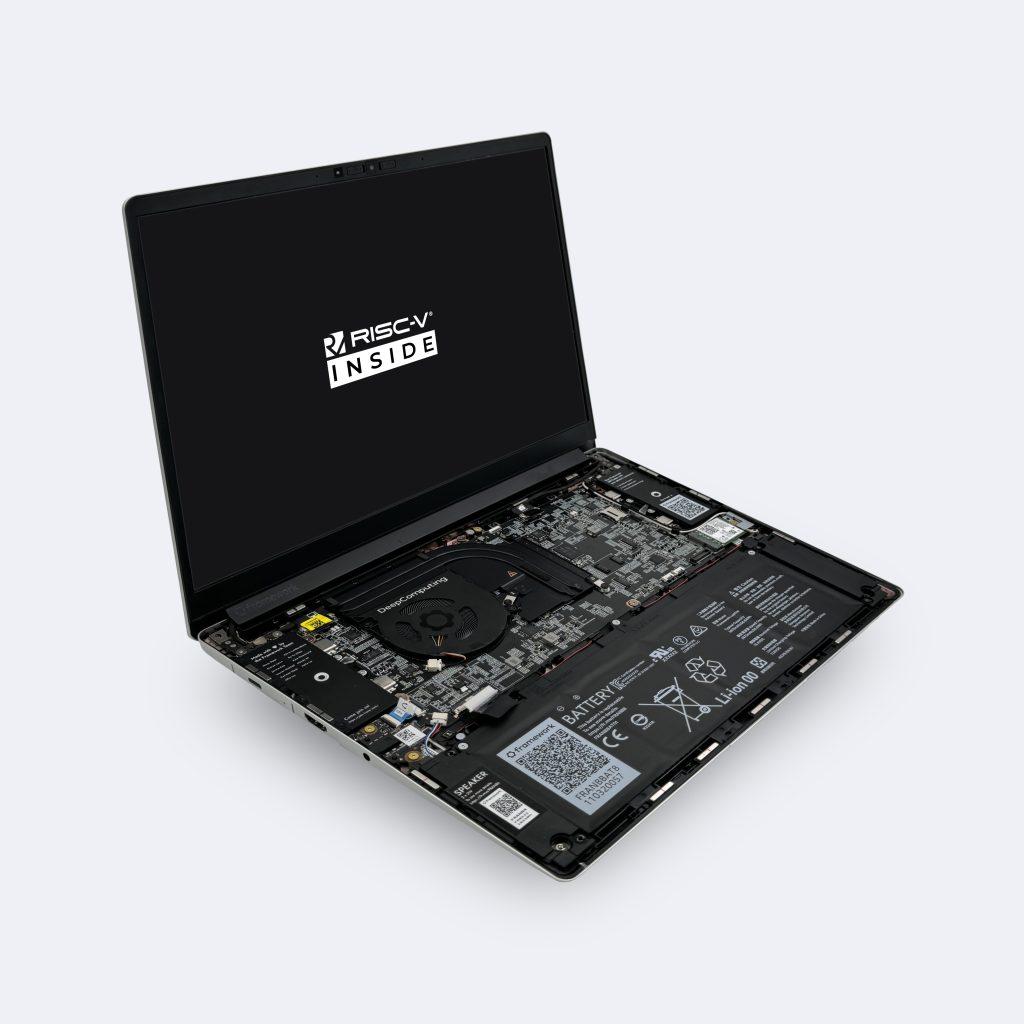
Let’s look at a real system.
🧩 Example: RISC-V Laptop Platform
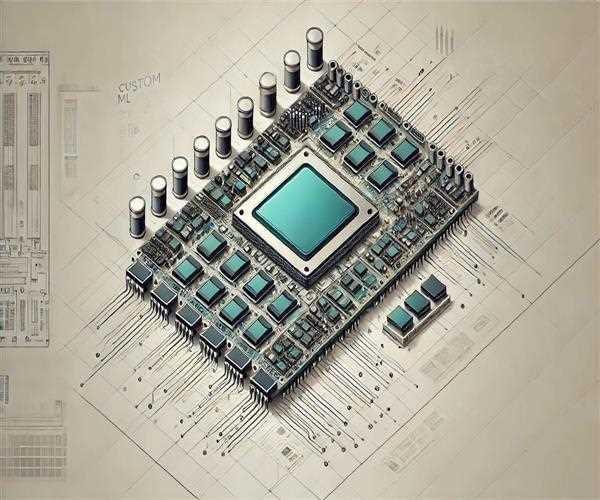
Modern RISC-V systems now include:
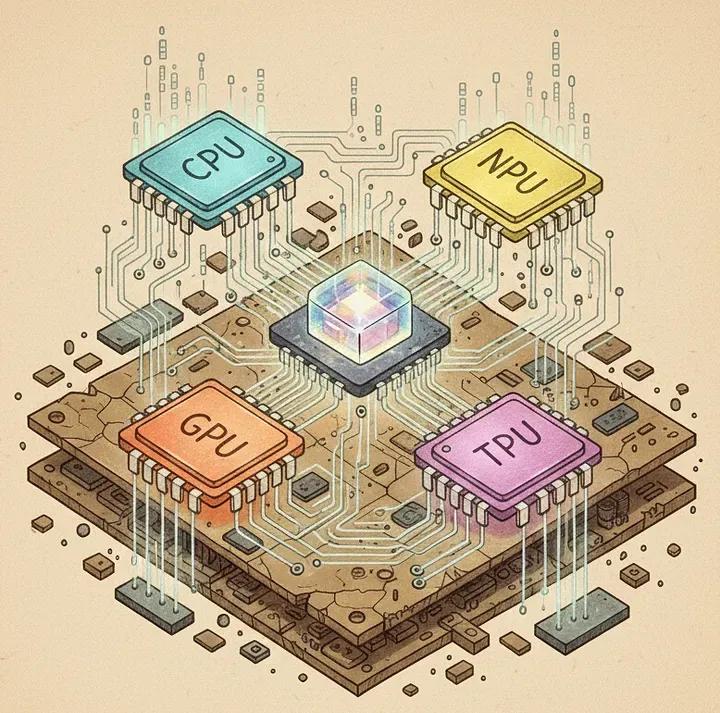
CPU, GPU, and AI accelerators
are integrated into one chip.
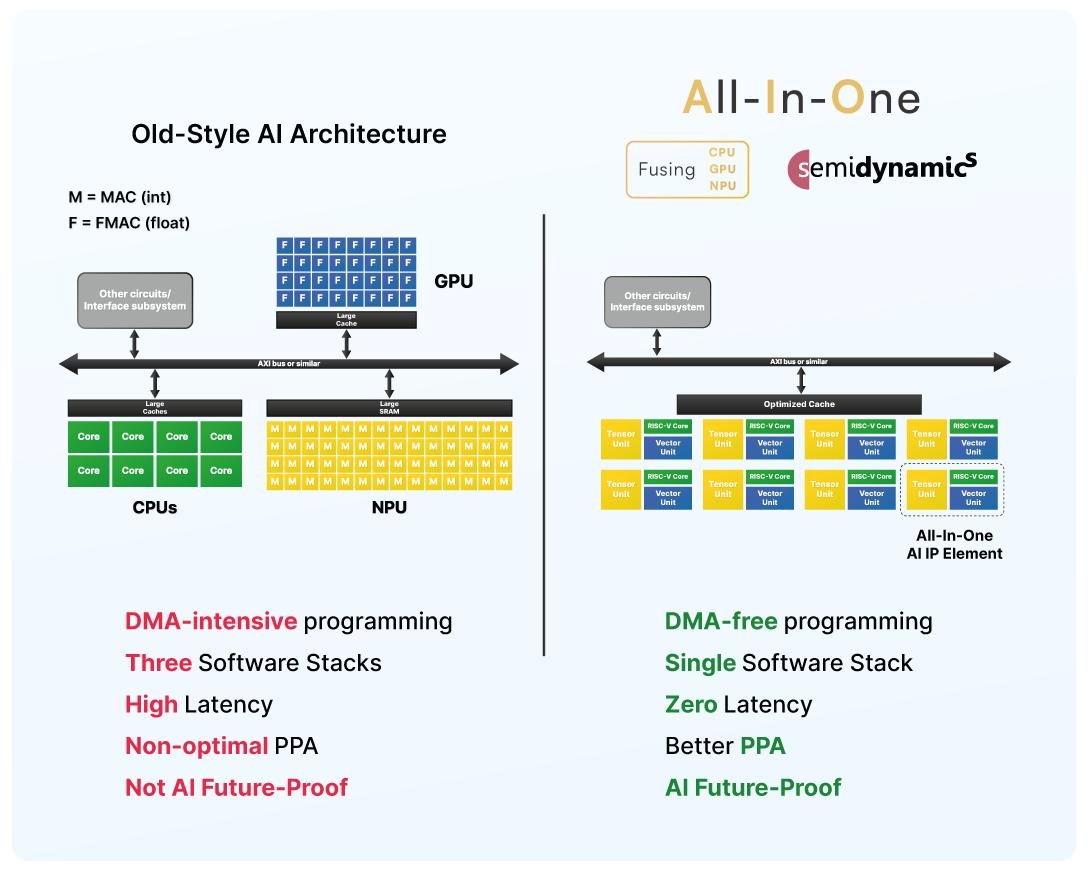
CPU, GPU, and AI accelerators
are integrated into one chip.
- multi-core CPUs (8 cores, 64-bit)
- integrated GPU
- dedicated AI accelerators (NPU)

Dedicated NPUs enable local AI workloads.
This allows running models
without relying on cloud services.
👉 This is a major shift:
From experimental boards → usable systems
⚙️ Performance Reality
Even with improvements:
- performance is still below modern x86 / ARM
- closer to Raspberry Pi class systems
🧠 Important Insight
RISC-V is not competing on performance yet.

It is competing on openness.
⚠️ Software Ecosystem Challenges
This is where most limitations appear.
❌ Application Availability
Many apps are missing:
- Electron apps
- proprietary software
- gaming platforms
❌ Packaging Issues
Modern systems rely on:
- Snap
- Flatpak
But:
- most packages are not built for RISC-V
🧠 Key Problem
Hardware exists.

Software ecosystem is still catching up.
🤖 Emerging Area: AI on RISC-V
This is where things get interesting.
Modern RISC-V platforms include:
- NPUs (AI accelerators)
- support for local inference
⚙️ Example
- running large language models locally
- dedicated AI hardware instead of CPU-only
🧠 Insight
RISC-V may grow faster in AI than in traditional computing.
🔓 Why Linux + RISC-V Is a Big Deal
This combination changes the rules.
🧩 Full Stack Control
With Linux + RISC-V:
- hardware is open
- software is open
👉 This enables:
- custom systems
- research platforms
- independent development
🧠 Deeper Insight
For the first time,
developers can control everything:

from CPU design → to operating system.
🌍 Real-World Impact
This matters in several areas:
🏭 Industry
- custom chips
- specialized computing
🎓 Education
- learning CPU design
- OS internals
🔐 Security
- auditable hardware
- transparent systems
⚠️ Reality Check
This is not ready for everyone.
RISC-V systems today:
- require manual setup
- lack polish
- need technical knowledge
🧠 Honest Conclusion
This is not about replacing your laptop today.

It is about shaping computing tomorrow.
🎯 Summary
- Linux = software control layer
- RISC-V = hardware definition layer
- Linux runs on RISC-V with architecture-specific support
- ecosystem is still growing
- future is open, but not fully mature
🧠 Final Thought
Linux + RISC-V is not just technology.

It is a shift:

From closed systems → to open computing.