🚀 Introduction
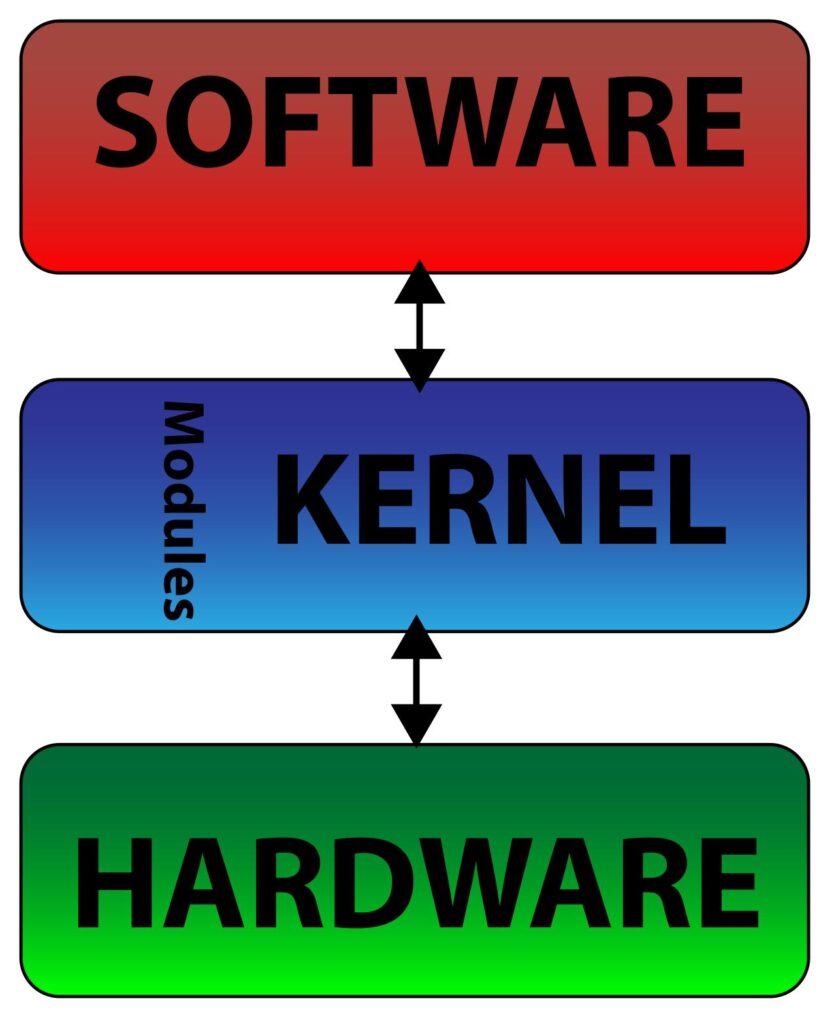
Modern computing is built on two fundamental layers:
- software
- hardware
To truly understand how systems work, you need to understand both.
In this article, we will explain two important technologies:
Linux and RISC-V
Linux represents open software.
RISC-V represents open hardware.
Together, they are shaping the future of computing.
🧠 What is Linux?
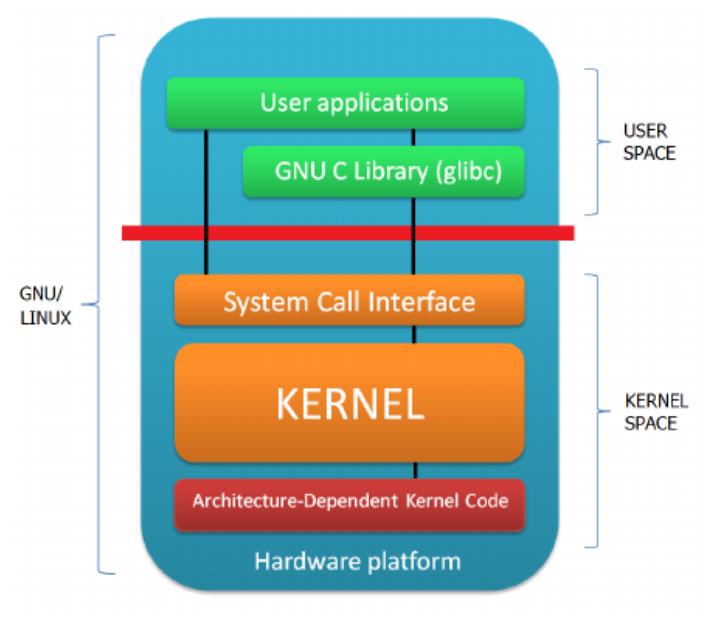
Linux is not just an operating system.
It is a kernel.
💡 Simple Explanation
The kernel is the core of a system.
It connects:
- applications
- hardware
⚙️ How Linux Works
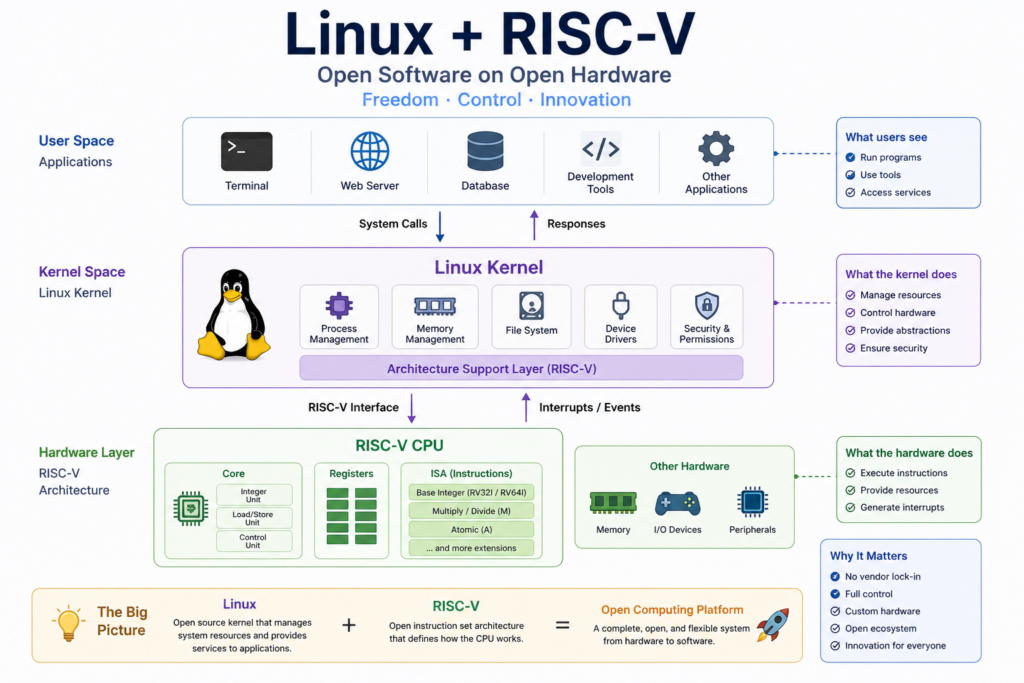
Applications → Linux Kernel → Hardware
The Linux kernel is responsible for:
- managing processes
- handling memory
- controlling devices
🌍 Where Linux is Used
Linux is widely used in:
- servers
- cloud platforms
- embedded systems
- Android devices
🧠 Key Insight
Linux is powerful because it is:
- open source
- flexible
- widely supported
⚙️ What is RISC-V?
RISC-V is not software.
It is a hardware concept.
💡 Definition
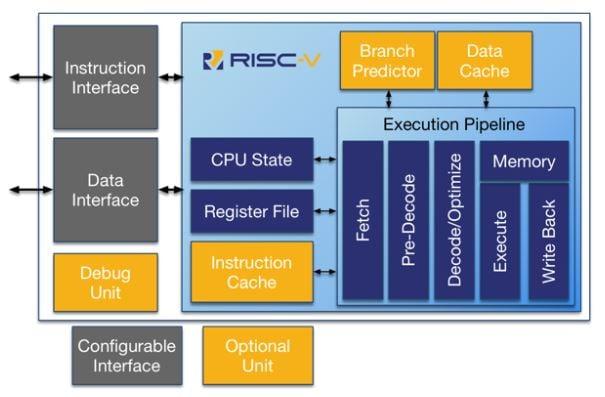
RISC-V is an Instruction Set Architecture (ISA).
🧠 What is an ISA?
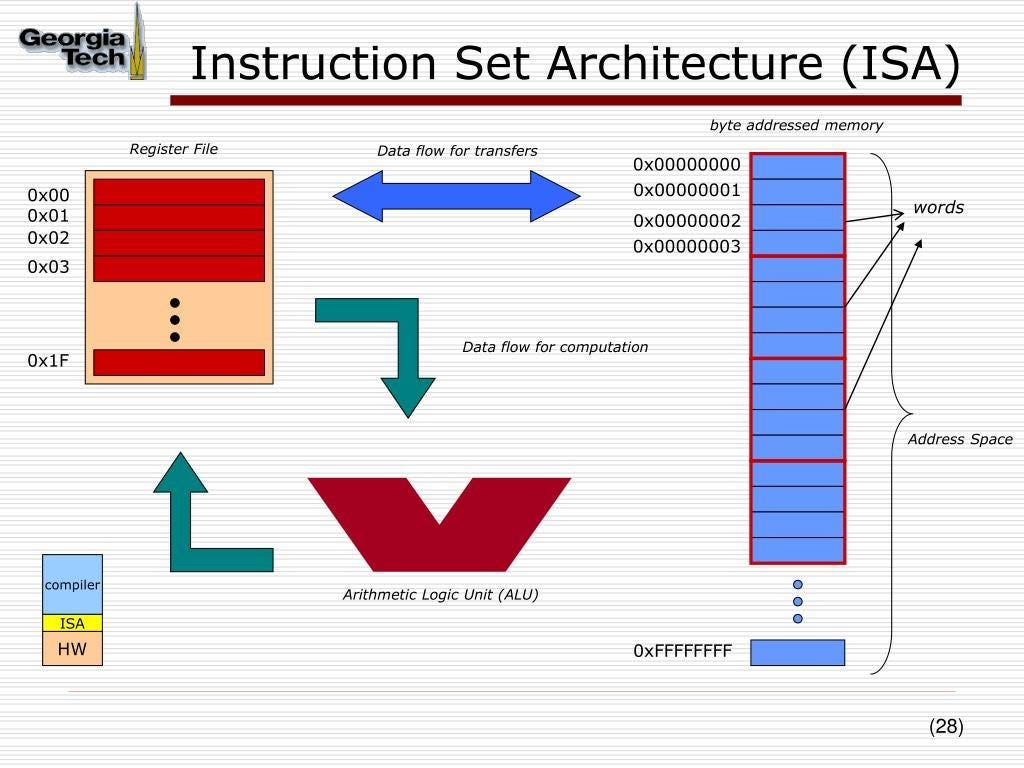
An ISA defines how a CPU works.
It describes:
- what instructions the CPU can execute
- how software communicates with hardware
🧩 Simple Analogy
You can think of RISC-V as a language.
- software = speaks instructions
- CPU = understands instructions
🔄 Other Architectures
Common architectures include:
- x86 (used in PCs)
- ARM (used in mobile devices)
🚀 Why RISC-V is Special
RISC-V is:
- open
- free to use
- customizable
🧠 Key Insight
Unlike x86 or ARM:
Anyone can design a CPU using RISC-V.
🔗 How Linux Works on RISC-V
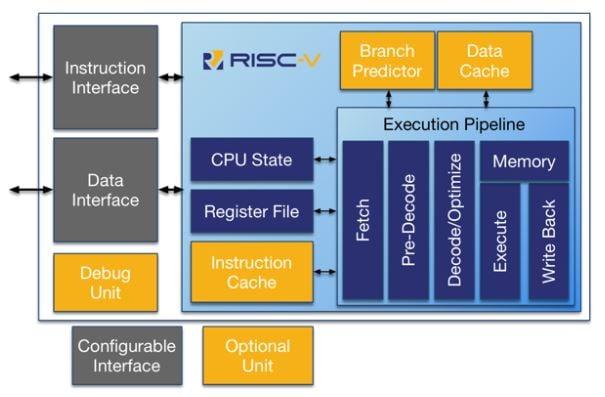
Now let’s connect software and hardware.
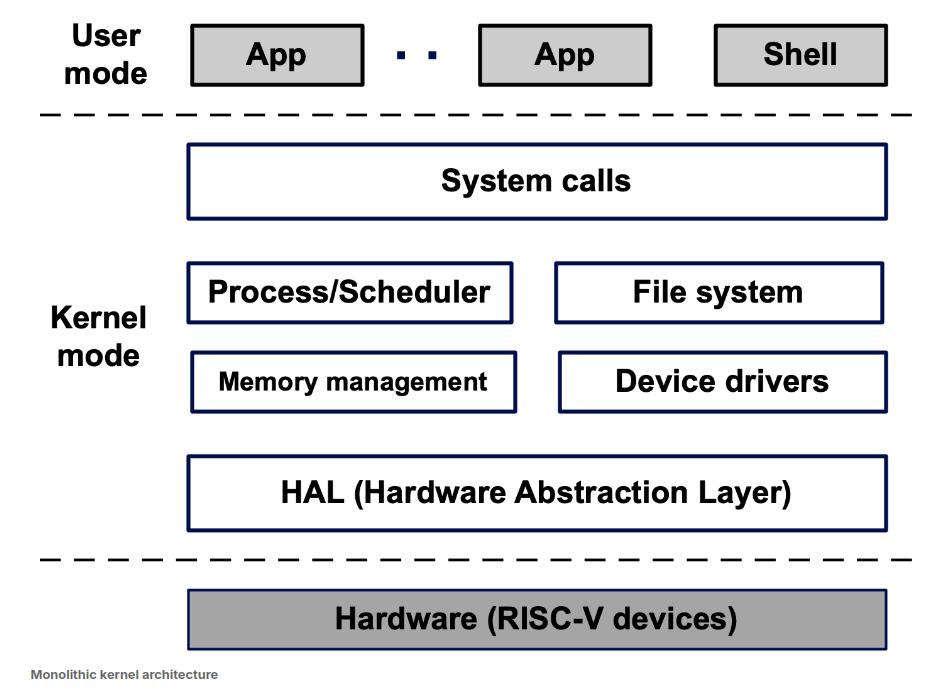
🧠 The Relationship
- RISC-V defines how the CPU works
- Linux uses that definition to run programs
⚙️ System Flow
Application → Linux Kernel → RISC-V CPU
💡 Why This Works
Linux supports multiple architectures.
This includes:
- x86
- ARM
- RISC-V
🧠 Key Insight
Hardware defines what is possible.

Linux makes it usable.
🌍 Why Linux + RISC-V Matters
This combination is important for the future.
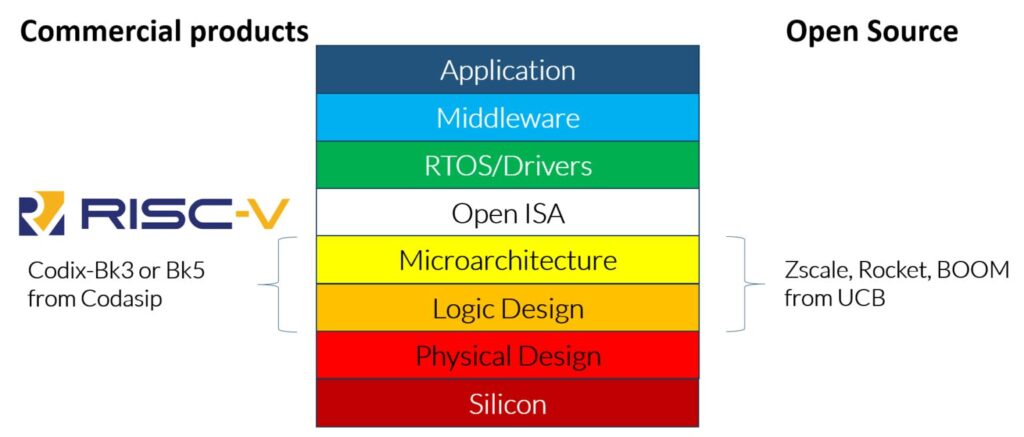
🔓 1. Open Software + Open Hardware
- Linux = open source software
- RISC-V = open hardware standard
👉 This creates a fully open system.
🧠 Benefit
- no vendor lock-in
- full control
- more innovation
🏭 2. Custom Hardware Design
Companies can:
- build their own CPUs
- optimize for specific workloads
🌐 3. Growth of Ecosystem
RISC-V is being used in:
- embedded systems
- IoT devices
- research platforms
Linux provides the software layer for all of these.
🧠 Real-World Insight
Linux and RISC-V together enable full-stack control.

From hardware to software.
⚠️ Challenges
While promising, there are still challenges.
❌ 1. Ecosystem Maturity
- fewer tools compared to x86 / ARM
- less commercial support
❌ 2. Hardware Availability
- limited consumer devices
- still developing
❌ 3. Software Optimization
- not all software is optimized for RISC-V
🎯 Summary
Let’s recap:
- Linux is a kernel that manages software and hardware
- RISC-V is an architecture that defines how CPUs work
- Linux can run on RISC-V hardware
- Together, they create an open computing platform
🧠 Final Thought
Linux and RISC-V represent a shift:
From closed systems
to open ecosystems