Most people compare FPGA and ARM as if they are competitors.
They are not.
They solve completely different problems.
🔹 What is ARM?
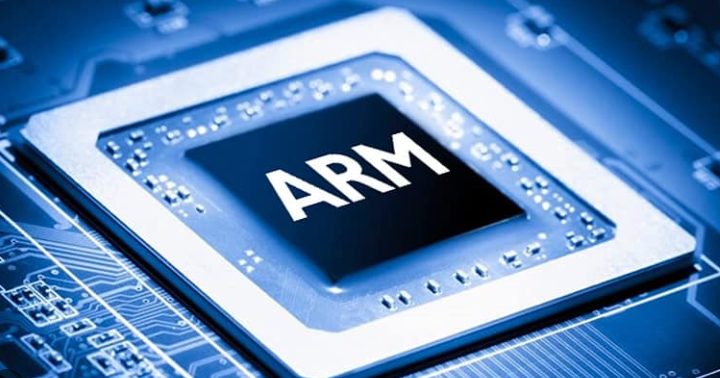
ARM is a processor architecture. It executes instructions one by one:
- Fetch
- Decode
- Execute
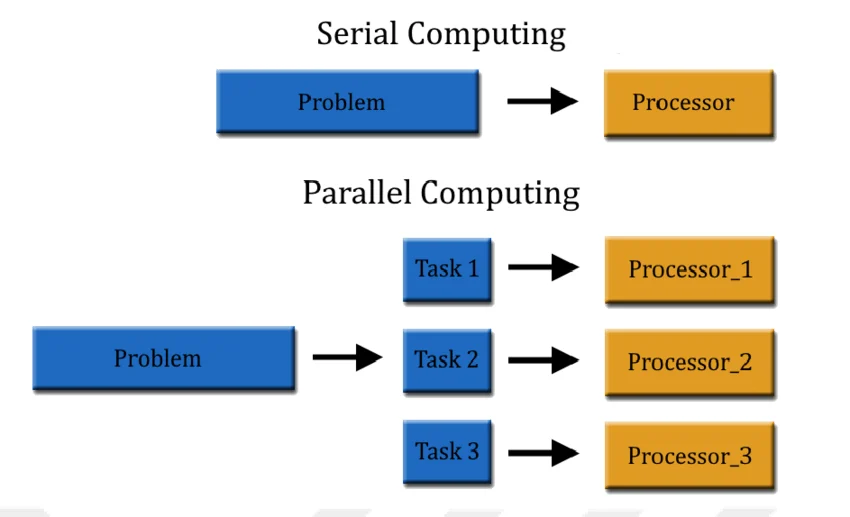
This is called sequential computing.
It’s flexible, efficient, and powers:
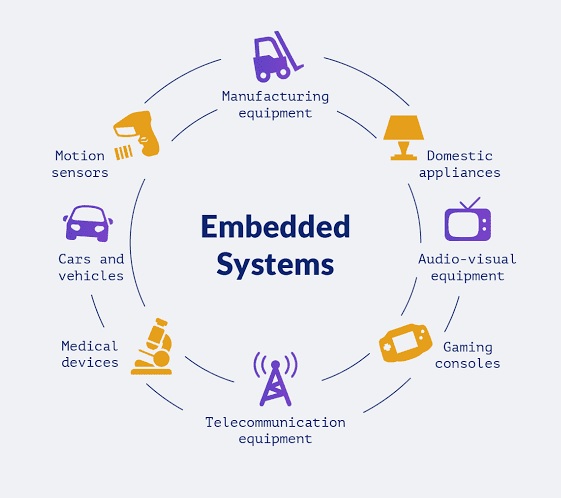
- Smartphones
- Embedded systems
- IoT devices
🔹 What is FPGA?
FPGA stands for Field-Programmable Gate Array.
Instead of running instructions, you configure hardware circuits.
You are not writing a program. You are building a digital system.
⚡ The Core Difference between FPGA and ARM
ARM:
Do this → then this → then this
FPGA:
Do everything at the same time
This is called parallel computing.
🚀 Why FPGA is So Powerful
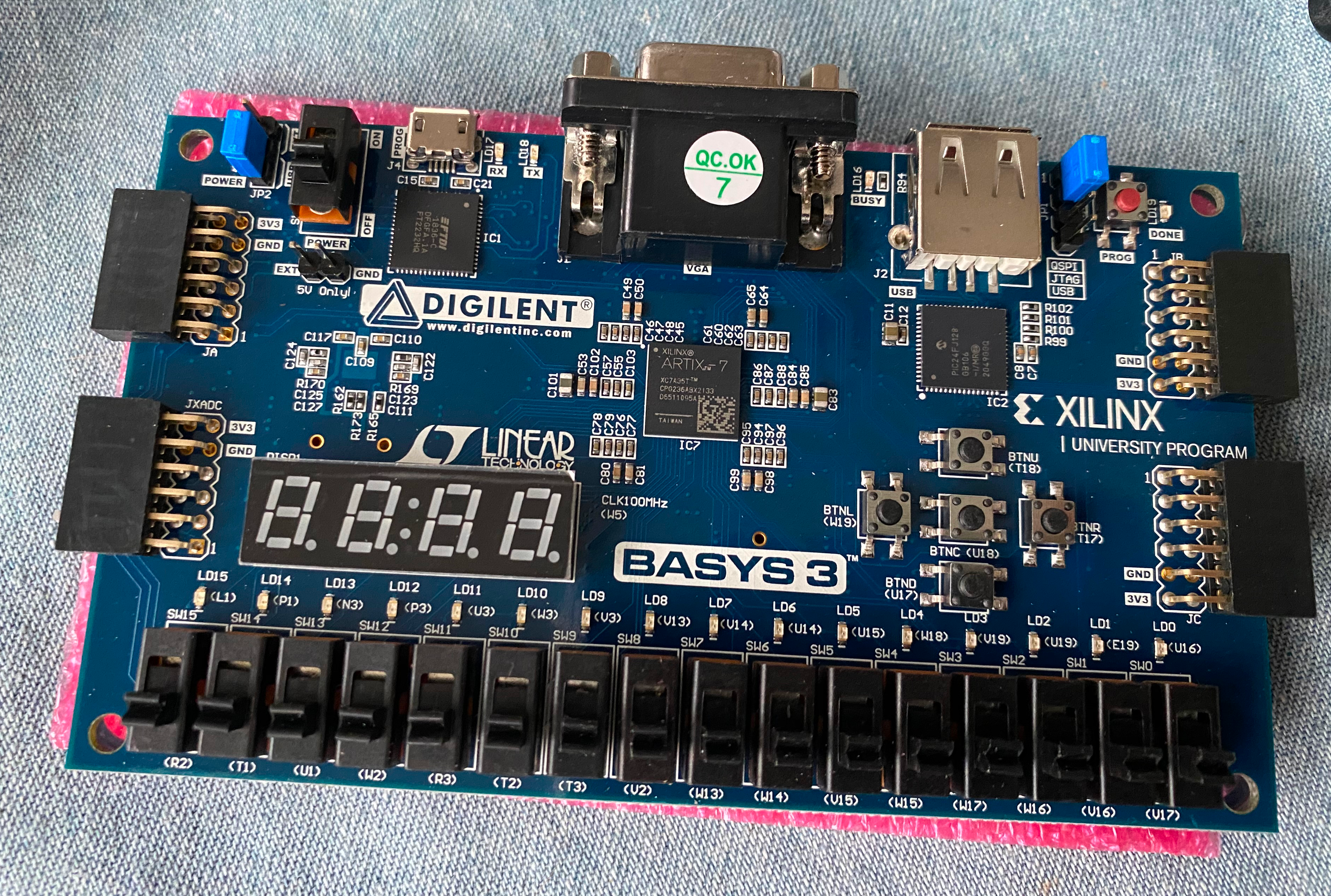
In the right workload, FPGA can massively outperform CPUs:
- Signal processing
- Video pipelines
- High-speed networking
- Real-time control systems
Why?
Because you can:
- Build custom pipelines
- Eliminate overhead
- Control every clock cycle
⏱️ Deterministic Latency
CPUs are unpredictable:
- OS scheduling
- Interrupts
- Cache misses
FPGAs are deterministic:
- Cycle-accurate timing
- No OS interference
This is critical in:
- Finance (HFT)
- Telecom
- Industrial systems
🔗 Why Modern Systems Use Both
Instead of choosing one, modern systems combine them.
Examples include:
- Xilinx Zynq-7000 SoC
- AMD Versal ACAP
Architecture:
- ARM → control logic
- FPGA → data processing
This is called heterogeneous computing.
🧩 The Real Challenge of FPGA
FPGA is powerful—but difficult.
You must think in:
- Clock cycles
- Pipelines
- Resource constraints
Not:
- Functions
- Loops
- Objects
Final Thought
ARM runs your software. FPGA defines your hardware.
If performance truly matters, you will eventually need both.