🧠 RV32I vs PicoRV32 — Visual Diagrams (Deep Mapping)
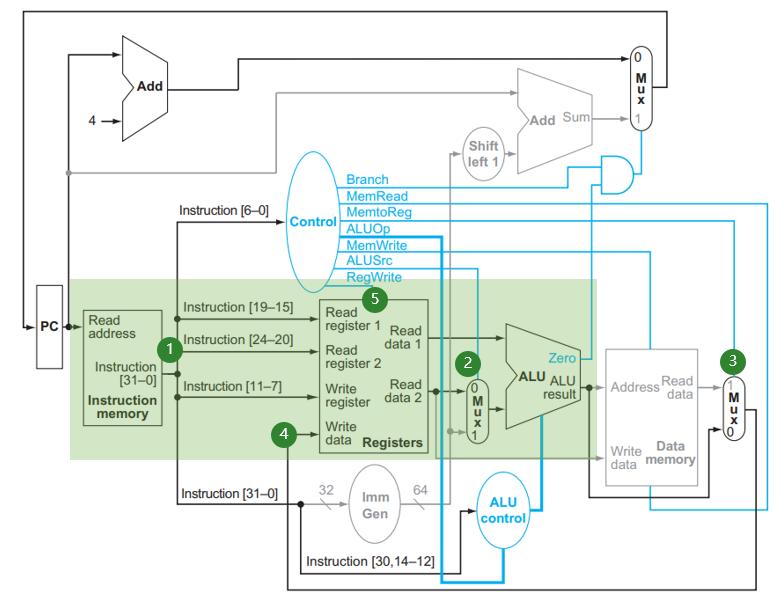
🟣 1. RV32I Single-Cycle (Your Diagram Style)
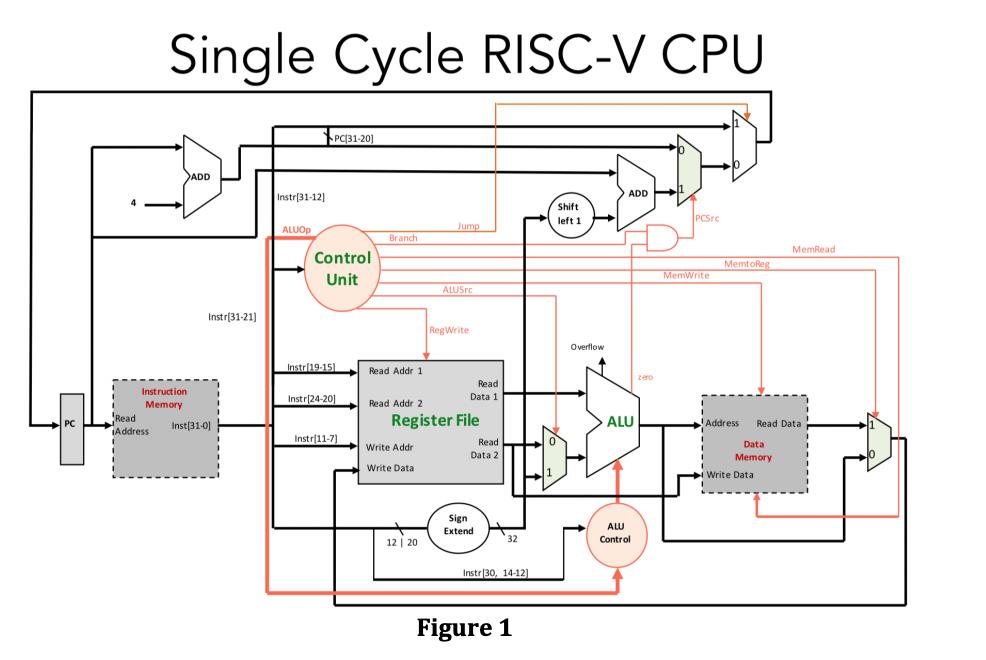
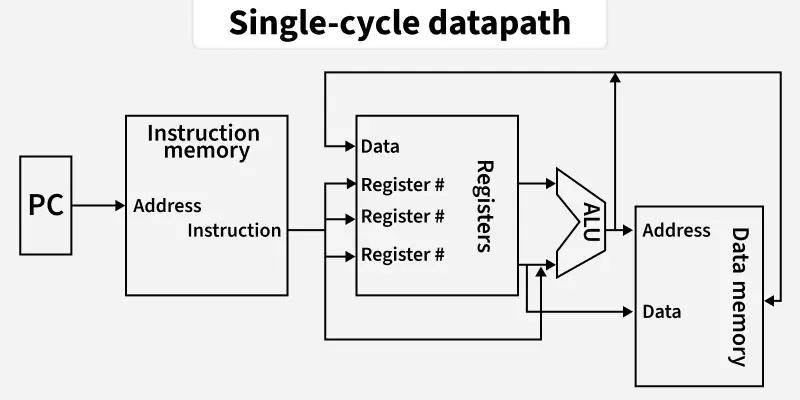
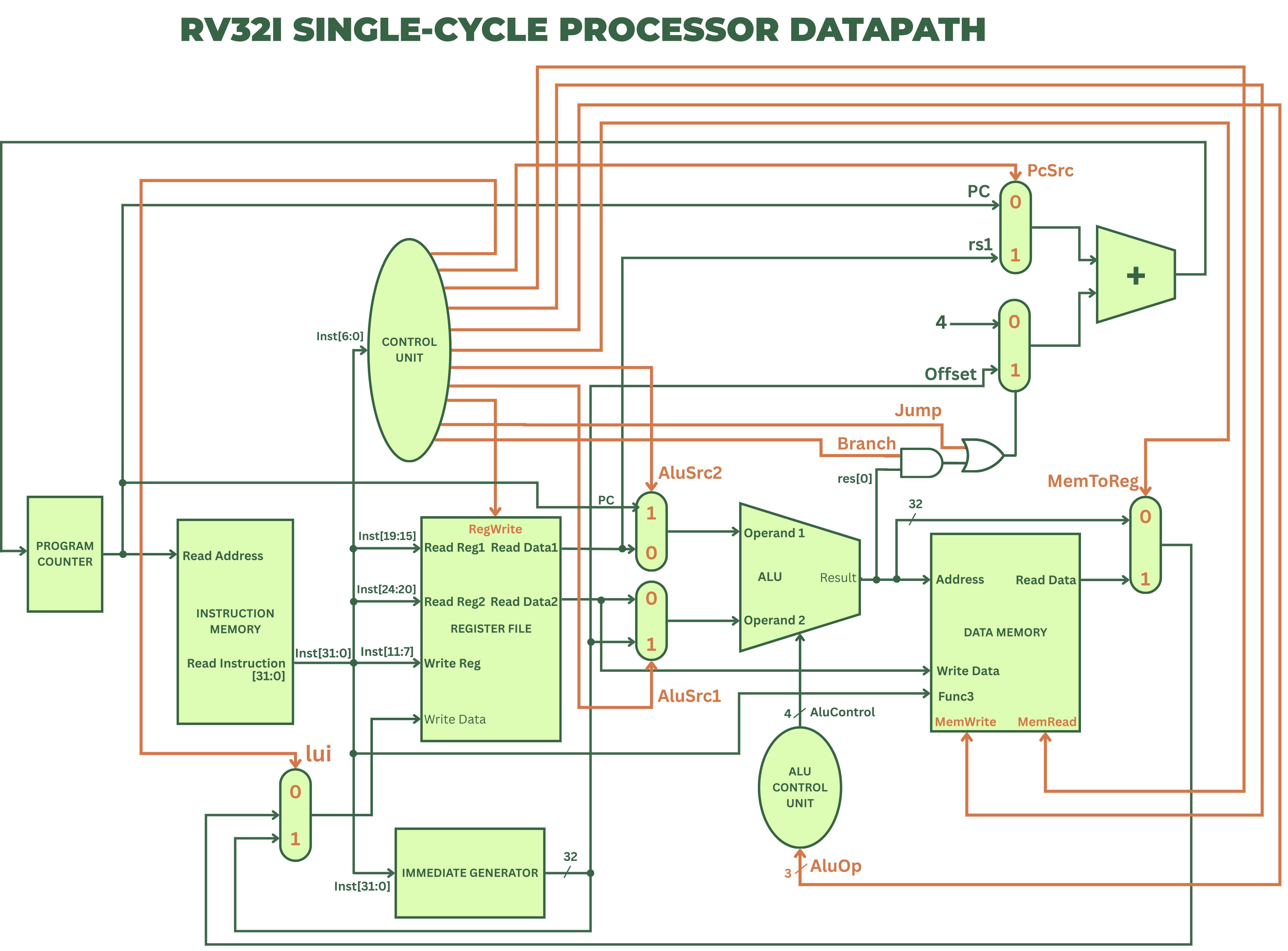
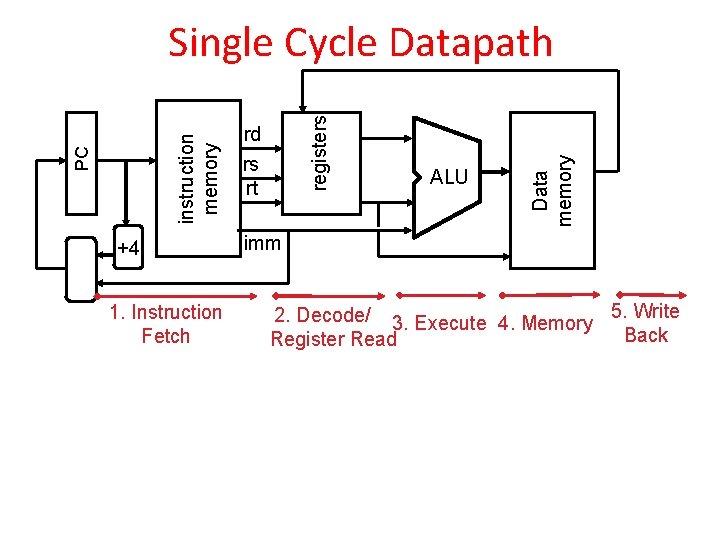
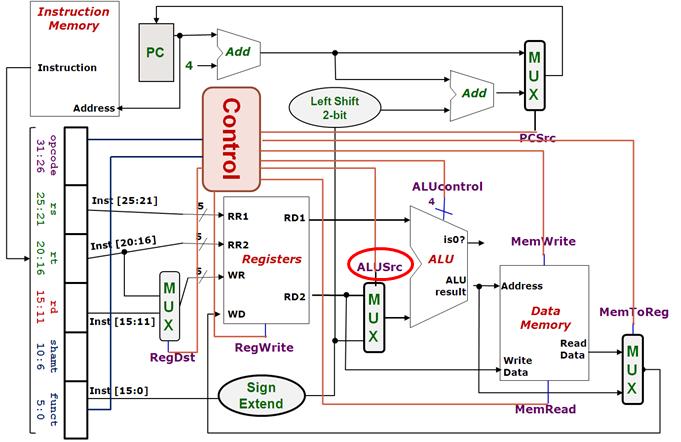
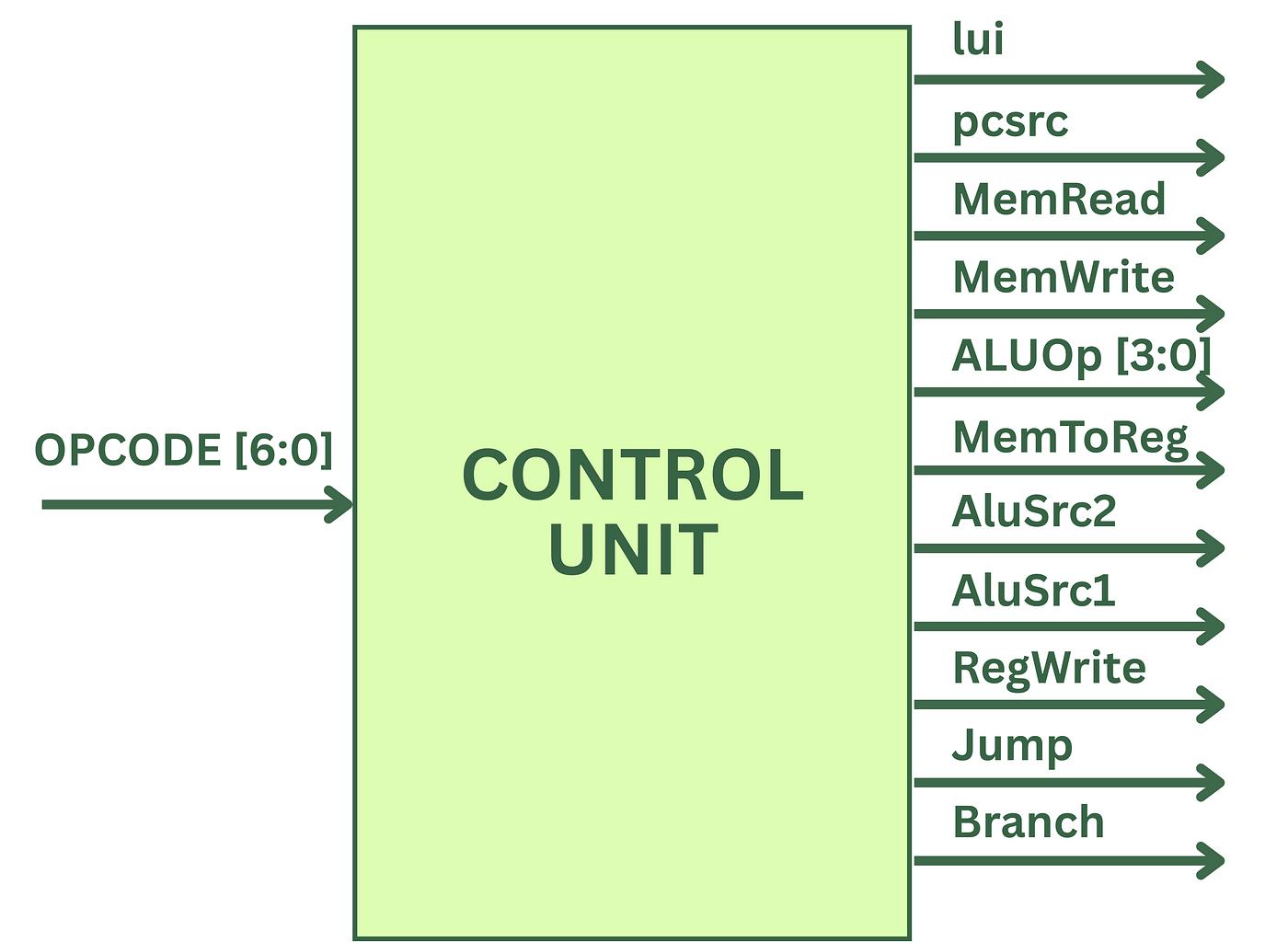
🔎 How to read it:
- Everything happens in parallel
- Clear split:
- Controller → generates signals
- Datapath → executes
- Signals like:
ALUControl,RegWrite,PCSrc
👉 Think:
“All hardware active at once”
🟢 2. PicoRV32 (FSM-Based Architecture)
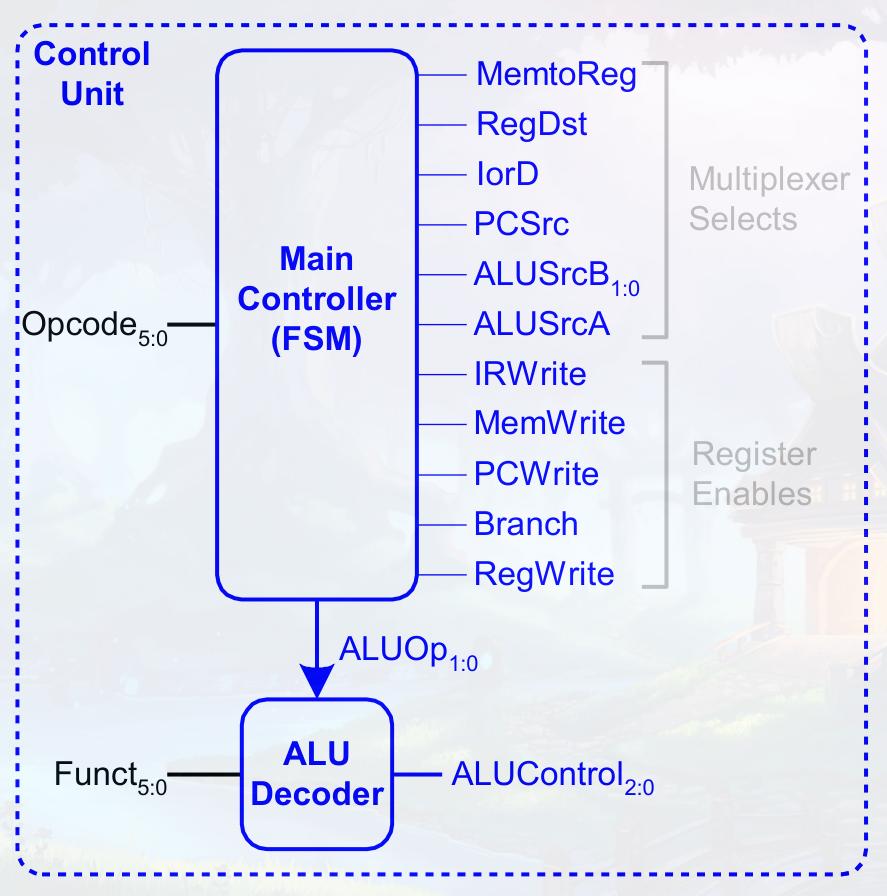
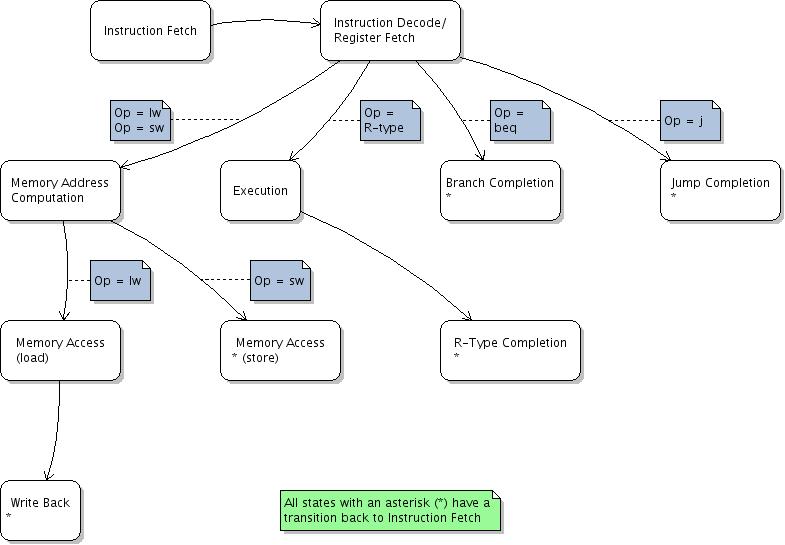
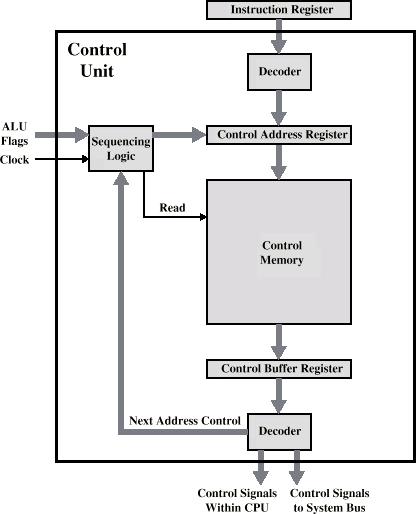
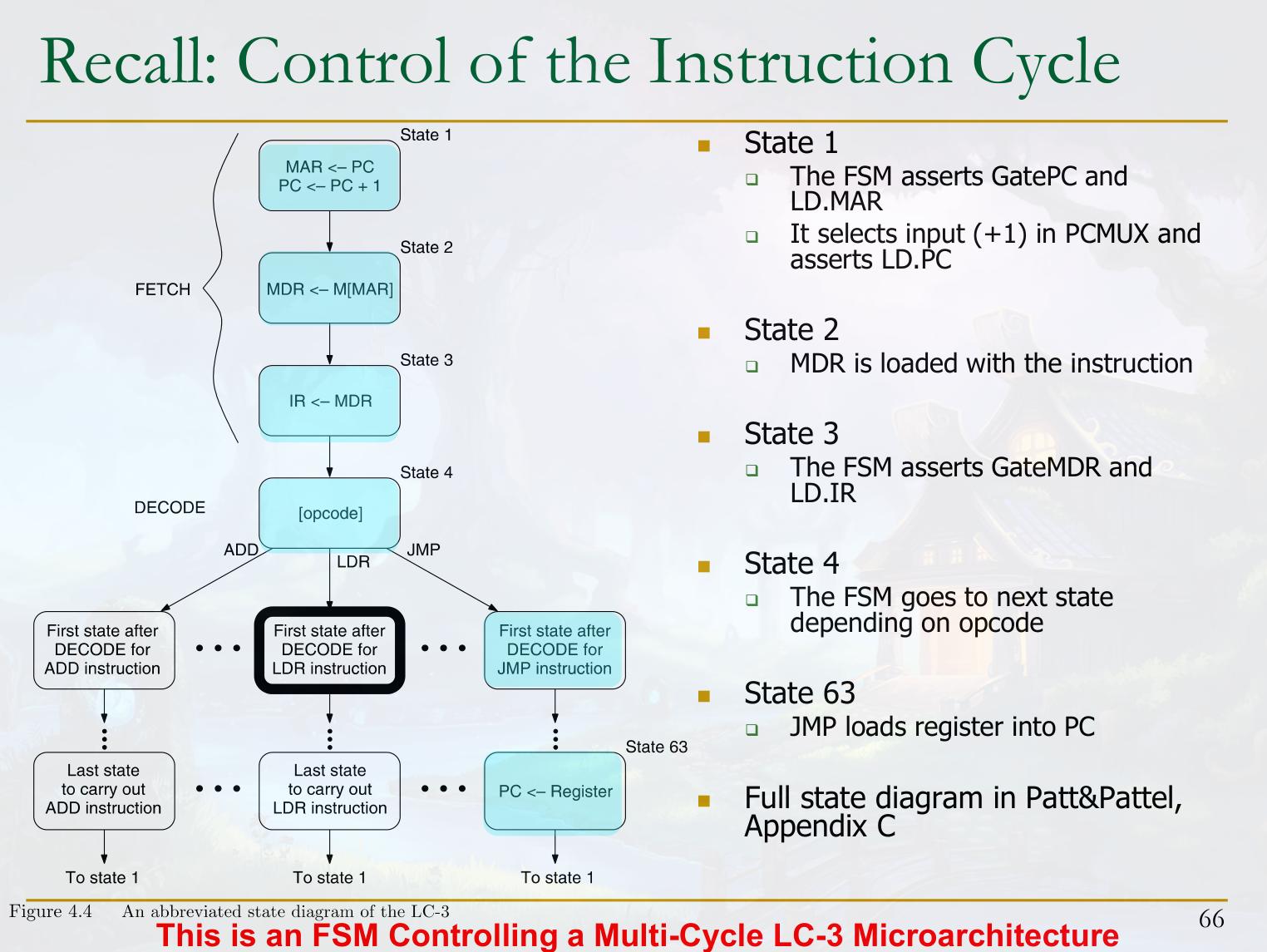
🔎 How to read it:
- No clean controller/datapath split
- One central:
- FSM (state machine)
- Hardware reused:
- ALU
- Registers
- Memory interface
👉 Think:
“One block doing different things over time”
🔄 3. The KEY Mapping (Visual Insight)
🧠 Parallel → Sequential Transformation
RV32I (space)              PicoRV32 (time)

[ALU]                     Cycle 3 → use ALU
[RegFile]   ------→       Cycle 2 → read regs
[Memory]                  Cycle 4 → access memory
[Control]                 FSM decides each step
⏱️ 4. Execution Timeline Comparison
🟣 RV32I (Single Cycle)
[ FETCH | DECODE | EXECUTE | MEM | WB ] ← 1 clock
🟢 PicoRV32 (Multi-Cycle FSM)
Cycle 1: FETCH
Cycle 2: DECODE
Cycle 3: EXECUTE
Cycle 4: MEMORY
Cycle 5: WRITEBACK
🎯 5. Side-by-Side Mental Model
RV32I:
 ┌───────────────┐
 │ Everything NOW│
 └───────────────┘

PicoRV32:
 ┌───────────────┐
 │ Step-by-step  │
 │ reuse hardware│
 └───────────────┘
🔥 One Diagram to Remember
👉 This is the whole story:
RV32I diagram
   ↓ (fold over time)
PicoRV32 FSM
⚡ If you want next-level diagrams
I can draw for you:
- 🔍 ADD instruction: signal-level flow vs FSM cycles
- 📉 Waveform-style timing diagram
- 🧩 Exact mapping to picorv32.v code blocks
Just tell me 👍